Backup power planning for outages
Plan the Right Backup Power System Before You Buy
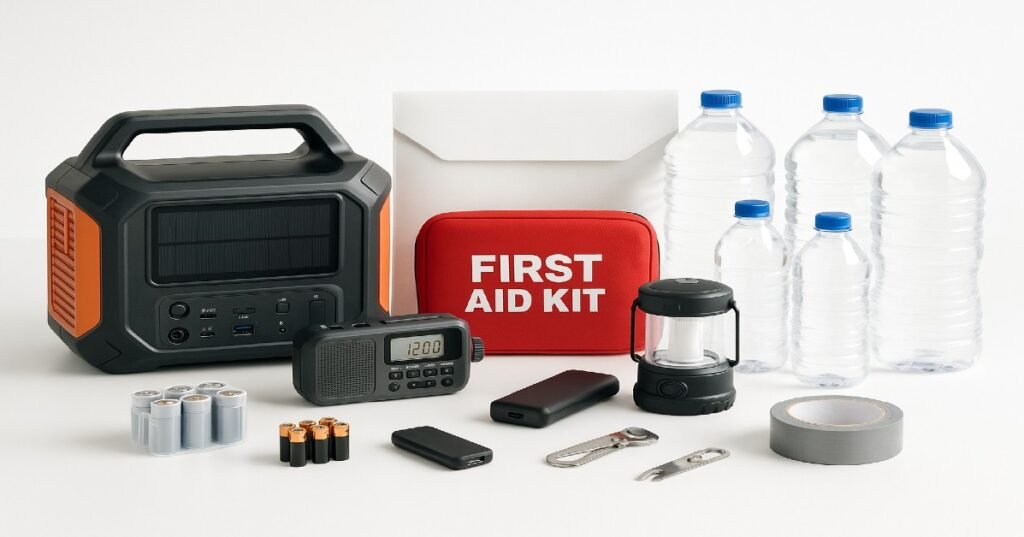
A power station can have enough stored energy and still fail to start a refrigerator, freezer, pump, or microwave. The difference comes down to battery capacity, continuous output, startup demand, and voltage.
Use the Storm Ready Home backup power calculator to estimate those requirements before you compare equipment. The current release covers governed 120 V AC portable power station planning and labels every result as an estimate.
No copied Amazon ratings. No static prices. Important assumptions are shown with the calculation.
Choose your starting point
Start with the job your backup system needs to do
The fastest way to avoid buying the wrong equipment is to define the appliances, hours, outage length, and electrical limits first.
Build a new backup power plan
Select appliances, set runtime and outage duration, then estimate battery capacity, continuous output, and startup demand.
Open the backup power calculatorSee how equipment compatibility is reviewed
Compatibility depends on documented voltage, current, wattage, connectors, wiring, and manufacturer limits. It cannot be confirmed from connector shape or panel wattage alone.
See how compatibility is verifiedPrepare the rest of the household
Build the supply, communication, document, evacuation, and home preparation parts of the plan alongside backup power.
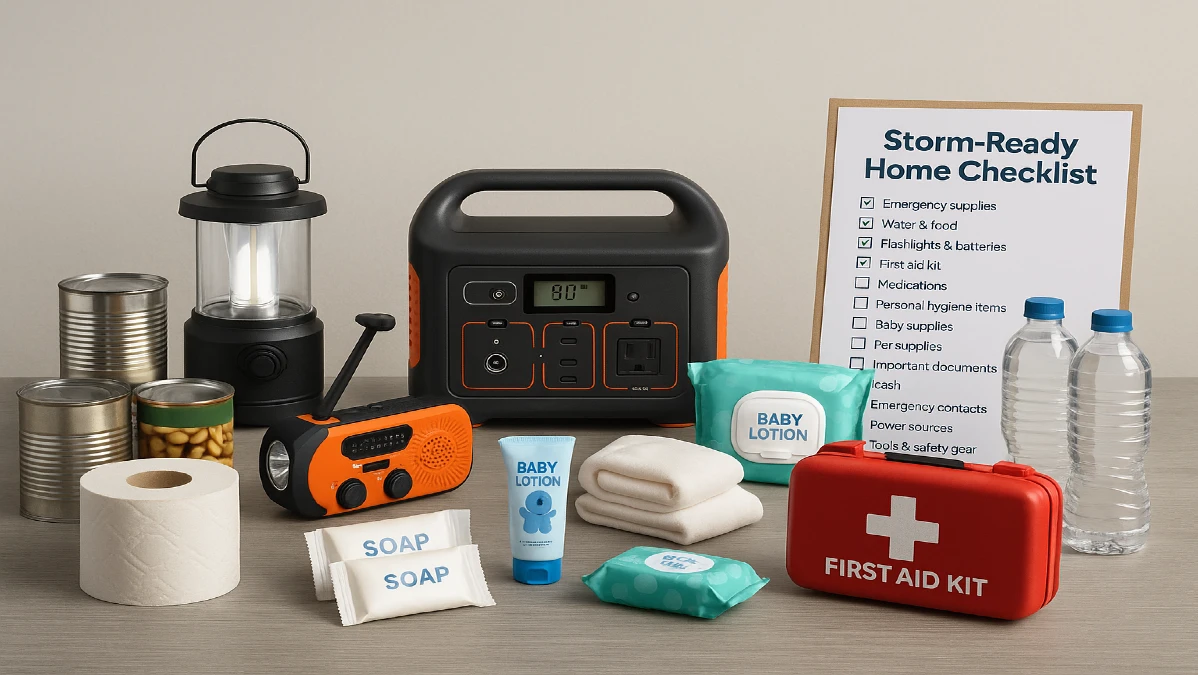
See the free planning resourcesBuild the basic emergency supply kit
Review federal guidance for water, food, radio, lighting, first aid, chargers, documents, sanitation, and household specific needs.
Read Ready.gov kit guidance, opens in a new tabPower planning basics
The numbers that decide whether a backup system fits
Battery size and inverter power answer different questions. A useful recommendation must check both, then account for startup demand, voltage, and recharge limits.
| Planning factor | Measured in | Question it answers | Common mistake |
|---|---|---|---|
| Battery capacity | Watt hours or kilowatt hours | How much energy the appliances need over the planned runtime. | Choosing by wattage alone and ignoring how many hours the load runs. |
| Continuous output | Watts | Whether the inverter can carry the loads that may run at the same time. | Adding energy correctly but selecting an inverter that is too small. |
| Startup demand | Watts | Whether a compressor, pump, microwave, or motor can start while other loads are present. | Using running watts as though they also describe startup behavior. |
| Output voltage | Volts | Whether the station supports the appliance or circuit voltage. | Assuming a 120 V station can power a 240 V appliance. |
| Solar input limits | Volts, amps, and watts | Whether a panel configuration stays inside the station’s documented input range. | Matching only total panel wattage and ignoring voltage, current, wiring, and connectors. |
A system can pass one requirement and fail another. The calculator keeps energy, continuous output, startup demand, and voltage separate so the limiting requirement is easier to see.
Plan by appliance and situation
Build around the load that creates the biggest risk
Use information for the specific model whenever it is available. Presets are starting estimates, not substitutes for the appliance label, EnergyGuide label, manual, or measured energy use.
Refrigerator or freezer
Use annual kWh or measured daily kWh when possible. Compressor startup is checked separately from daily energy use.
CPAP or medically important equipment
Enter the exact device wattage, settings, hours, and nights. Verify critical power requirements with the device manufacturer and healthcare provider.
Pumps, compressors, and motors
Running watts are not enough. Startup demand and required voltage must be known before a product can qualify.
Apartment or indoor backup
Battery systems avoid engine exhaust, but capacity, inverter output, charging access, weight, and storage still matter.
Longer outage
Add outage days, reserve, temperature derating, battery aging, and realistic solar conditions instead of multiplying one optimistic runtime claim.
Fuel generator
Portable fuel generators must run outdoors, at least 20 feet from homes and openings, with exhaust directed away. Never use one in a garage, even with the door open.
Read CPSC carbon monoxide guidance, opens in a new tabResearch and commerce policy
How Storm Ready Home separates research from sales
A useful product match starts with the household requirement. The Amazon offer is a separate commerce layer and does not decide the electrical recommendation.
- Calculate the requirement Estimate delivered energy, nominal battery capacity, simultaneous load, startup demand, and voltage from the user’s plan.
- Apply hard technical filters Exclude equipment that lacks the required capacity, output, voltage support, or documented eligibility.
- Verify the exact model Use manufacturer product pages, manuals, and support documents for technical specifications and compatibility.
- Verify the offer separately Confirm the exact ASIN, destination, affiliate tag, and current offer before a public Amazon button appears.
What does not determine a recommendation
Amazon star ratings, review counts, bestseller badges, copied reviews, and static prices do not prove that a system can carry a load or accept a panel configuration. When an exact offer cannot be verified, the product button is removed instead of sending the reader to a stale listing.
Affiliate disclosure: As an Amazon Associate I earn from qualifying purchases. Paid links are identified near the recommendation. This homepage does not publish static Amazon prices, review counts, ratings, or availability claims.
Printable storm preparation
Free resources you can print before the power goes out
Keep paper copies with your emergency supplies. Phone batteries, internet service, and cloud files may not be available when you need a contact or shutoff note.
Hurricane Preparedness Checklist
Supply kit, family plan, insurance notes, home preparation, storm actions, emergency contacts, and utility shutoff notes.
Family Emergency Meeting Plan
Record meeting locations, an out of area contact, schools, workplaces, pet care, medical needs, and who handles utilities and the emergency kit.
Emergency Contact Card
Print, cut, and place a contact card in wallets, backpacks, school bags, vehicles, or the household emergency kit.
Primary safety sources
Official guidance used for household planning
Government agency names are not endorsements. These links point to the specific public guidance behind common emergency planning and safety statements.
-
Ready.gov: Build a Kit, opens in a new tab
Emergency water, food, radio, lighting, first aid, communication, and household supply guidance.
-
CPSC: Carbon Monoxide Safety, opens in a new tab
Portable generator placement, carbon monoxide alarms, and indoor use warnings.
-
FDA: Medical Devices and Natural Disasters, opens in a new tab
Planning for devices that need electricity, batteries, refrigeration, or manufacturer support.
-
National Weather Service: NOAA Weather Radio, opens in a new tab
Official watches, warnings, forecasts, and hazard information broadcast around the clock.
Direct answers
Backup power and storm preparation questions
These answers are planning guidance. Exact equipment behavior depends on the appliance, wiring, operating conditions, and manufacturer documentation.
What size portable power station do I need?
There is no single correct size. Add the energy your appliances use over the planned runtime, then separately check the largest simultaneous load, startup demand, required voltage, efficiency loss, and reserve. The Storm Ready Home planner keeps those requirements separate.
How should I estimate refrigerator backup time?
Start with annual kWh from the EnergyGuide label or measured daily kWh when available. Do not multiply refrigerator running watts by 24 hours because the compressor cycles. Startup demand still needs a separate check.
Can a portable power station run a CPAP?
It may, but the estimate must use the exact machine, pressure settings, humidifier, heated tubing, power method, hours per night, and nights required. This is not a medical guarantee. Verify the device’s power requirements with its label, manual, manufacturer, and healthcare provider.
Can I run a gas generator in a garage with the door open?
No. The CPSC says portable generators must be used outdoors only, at least 20 feet from homes and openings, with exhaust directed away. An open garage door does not make indoor operation safe. Read the CPSC carbon monoxide guidance, opens in a new tab.
How much emergency water should I store?
Ready.gov advises at least one gallon per person per day for several days. The Storm Ready Home printable checklist begins with a three day supply, but households should extend that amount when local risk, heat, medical needs, pets, or possible service delays justify it.
Do solar panels charge a power station at night or during heavy cloud cover?
Solar panels do not produce useful charging power at night. Cloud cover, rain, shade, heat, panel angle, season, wiring, and the station’s input limits can reduce daytime charging. Stored battery energy can still be used after sunset if the station was charged earlier.
About the publisher
Who is behind Storm Ready Home
Brian Reinke founded Storm Ready Home to help households make backup power and storm preparation decisions with fewer assumptions. He is based in Florida and directs the site’s research, calculator strategy, and editorial standards.
The published standard is simple: label estimates, show important assumptions, use manufacturer documentation for electrical specifications, link specific official safety sources, and do not claim physical testing unless that testing is documented.
- Manufacturer claims are identified as manufacturer claims.
- Calculated runtimes and recharge times are identified as estimates.
- Electrical compatibility is not inferred from connector shape alone.
- Amazon ratings, review counts, and copied reviews do not determine product qualification.
- Corrections and outdated links can be reported by email.
Storm Ready Home is not a manufacturer, electrician, medical provider, or emergency agency. Use the calculator as a planning tool and verify critical requirements with the equipment manufacturer or an appropriately qualified professional.
Last reviewed: . Questions or corrections: stormreadyhome@gmail.com.
Start with the appliances you cannot lose
Choose the loads, set the outage duration, and review the estimated battery capacity and output requirements before you compare a brand or model.