When the power goes out, safe and reliable emergency cooking becomes essential for every family. Without electricity, preparing hot meals and drinks can be a real challenge, but the right emergency cooking tools make it easy to stay comfortable and prepared.
Storm Ready Home helps you choose between no-cook meals, electric cooking with suitable backup power, and outdoor-only fuel-burning equipment. Start with what you can use safely where you live.
Why Emergency Cooking Matters
Enjoying a hot meal or warm drink during a blackout is about more than just nutrition, it boosts morale, provides comfort, and helps your family feel secure. That’s why emergency cooking tools are a must for every home emergency kit.
Indoor Options: No Flame Required
Never use portable gas camp stoves, charcoal grills, or outdoor cooking equipment inside your home, garage, tent, or camper. Opening a window does not make this equipment safe indoors. See CDC carbon monoxide guidance.
- No-cook meals: Keep ready-to-eat food, drinking water, a manual can opener, and utensils available.
- Electric cooking: Use an indoor-rated appliance only when your backup source meets its running power and energy needs. Cooking appliances can drain a small battery quickly.
- Plan your power: Check the appliance label and use the backup power calculator before choosing a battery system.
Outdoor Cooking Options
If it’s safe to go outside, these cooking options give you more flexibility during an emergency or power outage.
Use fuel-burning cooking equipment outdoors only, away from doors, windows, vents, and combustible materials. Follow the equipment’s clearances and local fire restrictions. Do not cook outdoors during dangerous storm conditions.
Portable Butane Stove: Outdoor Use Only
The portable stove below is an outdoor cooking option for this household emergency plan. It is not an indoor cooking recommendation.
As an Amazon Associate I earn from qualifying purchases.

Propane Camping Grills
Portable and easy to set up, propane camping grills are perfect for outdoor cooking when you need reliability. Great for grilling, boiling water, and more.


Backyard Gas Grills with Full Propane Tanks
If you have a backyard grill and a full propane tank, you can easily prepare full meals, grill meats, and cook sides for your family even during an outage.

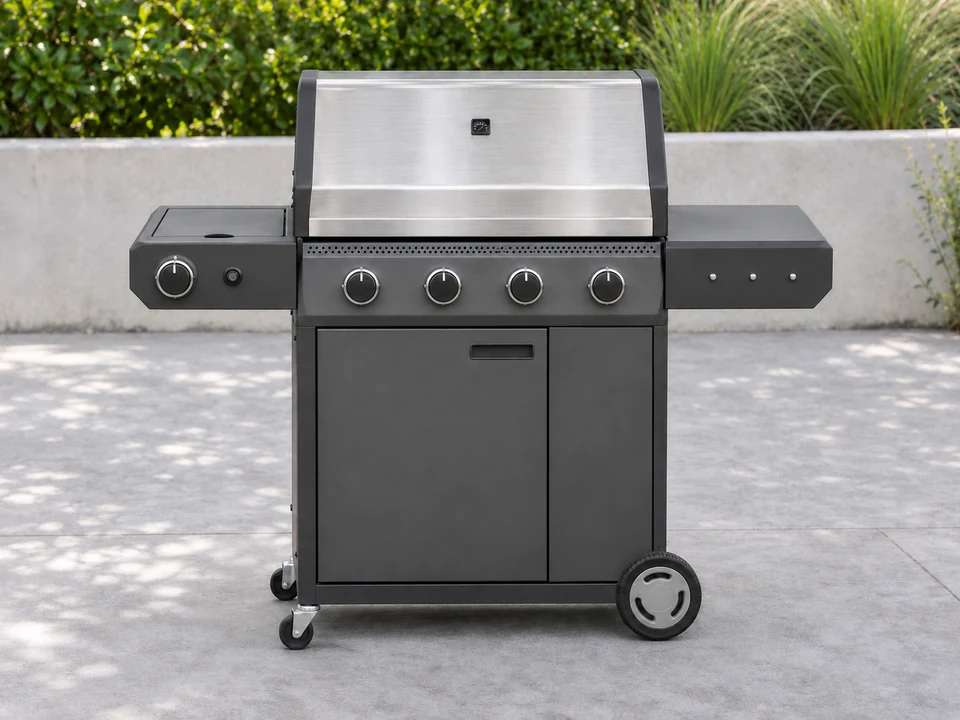
Charbroil Performance Four-Burner Propane Grill with Side Burner
Editorial illustration.
Choose the gray 463254025 cabinet model if you have a safe outdoor cooking area and need to cook several portions while heating a pot on the side. It has four main burners and a separate left-side burner, so a pot can stay off the main grate.
This full-size grill needs assembly and a separately supplied propane cylinder. Use it outdoors only, with the clearances in Charbroil’s manual for model 463254025. If you need a stove you can carry or store in a small space, choose one of the portable outdoor options above.
As an Amazon Associate I earn from qualifying purchases.
View the Charbroil four-burner grill on Amazon
Rocket Stoves
Rocket stoves are highly efficient and burn small sticks or pellets. They’re ideal for emergency cooking and don’t require gas or electricity.


Cast Iron Pans & Grill-Top Griddles
Heavy-duty cast iron pans and griddles can be used over any open flame or grill. They’re versatile, durable, and perfect for a variety of outdoor meals.


Warming Drinks and Food During Blackouts
In any blackout or emergency, the ability to quickly heat up broth, coffee, or tea can provide comfort and boost morale. Emergency cooking isn’t just about full meals, hot drinks and simple soups help keep everyone feeling better and more secure.
- Insulated Mugs and Thermoses
Keep beverages hot for hours and minimize heat loss. Essential for any emergency cooking kit, especially during cold weather.


- Compact Kettles for Portable Stoves
Boil water quickly for tea, coffee, soup, or instant meals, even when the power is out. Choose models designed for use on emergency stoves.
Well-chosen gear for emergency cooking ensures your family can stay nourished, hydrated, and comfortable no matter how long the outage lasts.
Fuel Storage and Usage Tips
Follow each fuel container’s storage instructions and local fire rules. Keep fuel away from heat, ignition sources, and children. Check containers for damage and leaks; follow the manufacturer’s inspection and replacement schedule.
What NOT to Use Indoors
- Charcoal grills
- Propane fire pits
- Kerosene heaters (unless specifically indoor-rated)
- Portable butane or propane camp stoves, including near an open window
Fuel-burning equipment can cause fatal carbon monoxide poisoning indoors. Use no-cook meals or a suitable electric appliance instead. Keep battery-powered carbon monoxide alarms working, but do not treat an alarm as permission to use outdoor equipment indoors.
Final Recap
Build your plan around no-cook meals first. Add electric cooking only if your backup system can support it, and reserve fuel-burning stoves and grills for safe outdoor conditions. Never use cooking equipment to heat your home.
✅ Want the full storm plan? Download the Free Storm-Ready Checklist
FAQs
What is the safest indoor cooking method during a blackout?
Start with ready-to-eat meals that need no heat. For hot food indoors, use an indoor-rated electric appliance with a suitable power source. Never bring a portable gas camp stove or grill indoors, even with a window open.
Can I use my gas grill indoors during a storm?
No. Never use gas grills or any propane or charcoal burner inside. The carbon monoxide risk is extremely dangerous.
What should I include in my off-grid cooking kit?
Start with drinking water, ready-to-eat meals, a manual can opener, and utensils. Add an outdoor stove and appropriate fuel only if you have a safe, permitted outdoor cooking location. Check food dates and inspect equipment regularly.